 Formula 1 Dashboard


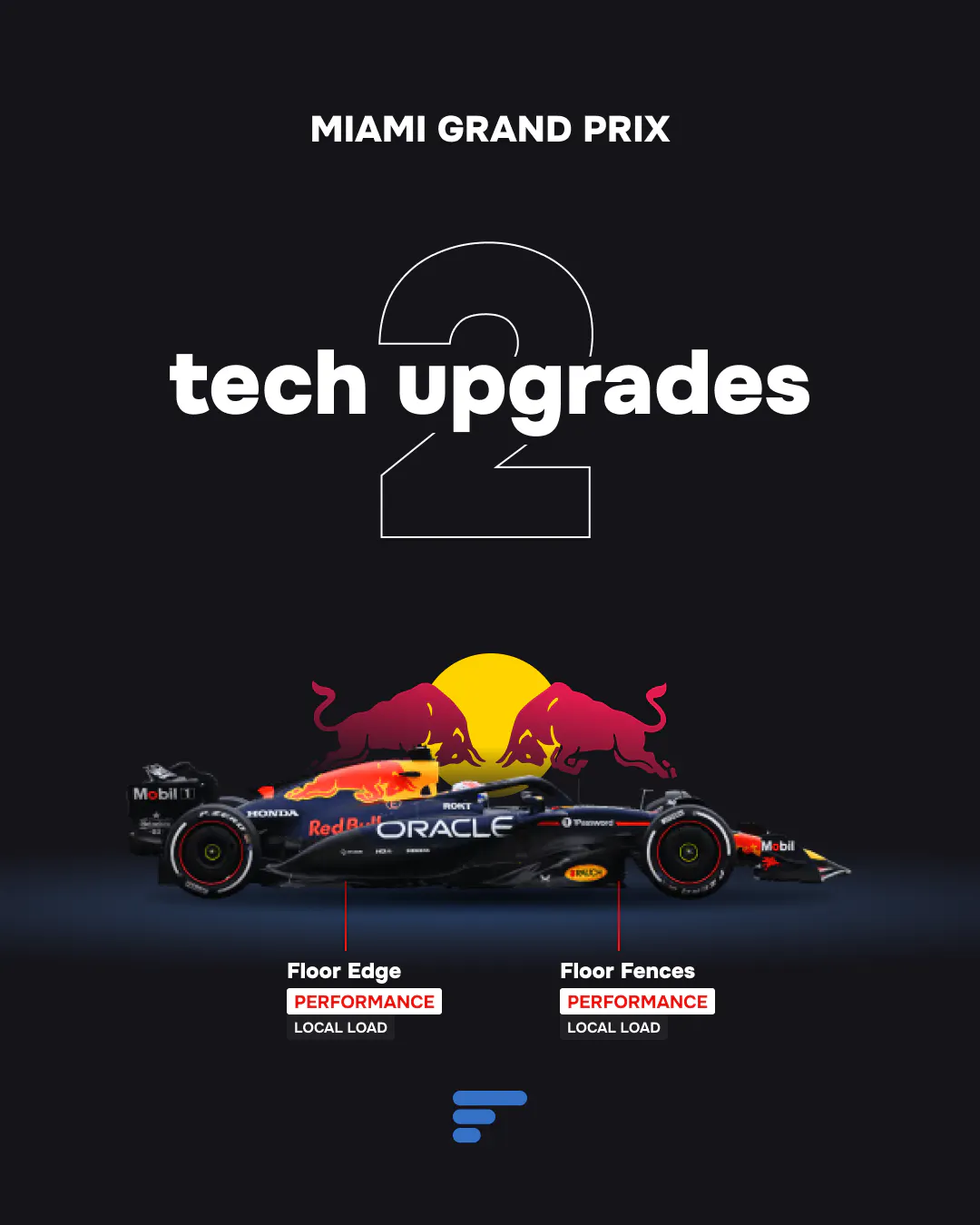
Red Bull Racing has introduced a significant update to the floor of their car ahead of the Miami Grand Prix Sprint weekend. This development comes as teams face a challenging schedule with only a single free practice session before competitive running begins, making efficient implementation of upgrades crucial. The Miami venue has seen substantial performance swings in the past, notably with McLaren's major step forward a year ago. This time, Red Bull aims to enhance their package with targeted aerodynamic revisions.
Key Aerodynamic Tweaks to the RB21 Floor
The core of Red Bull's upgrade lies in specific modifications to the floor. These include repositioned floor fences and additional camber along the floor edge. These changes are engineered with the goal of increasing overall downforce and refining the car's balance. Red Bull's Chief Engineer, Paul Monaghan, expressed confidence in the update, deeming it a "relatively low risk" introduction given the Sprint format constraints. He highlighted that the team does not anticipate any loss of aerodynamic stability and expects the revised floor to contribute a "few kilos of load," translating to performance gains. Monaghan also clarified that this is not a singular fix but rather an "incremental improvement" as the team continues to address performance characteristics observed in earlier races.
Circuit-Specific Updates Across the F1 Grid in Miami
Beyond Red Bull's floor development, several other teams have brought updates or circuit-specific adjustments to Miami.
Mercedes has made a change to their rear wing, reducing the camber of the flap to likely optimize performance for the track's layout.

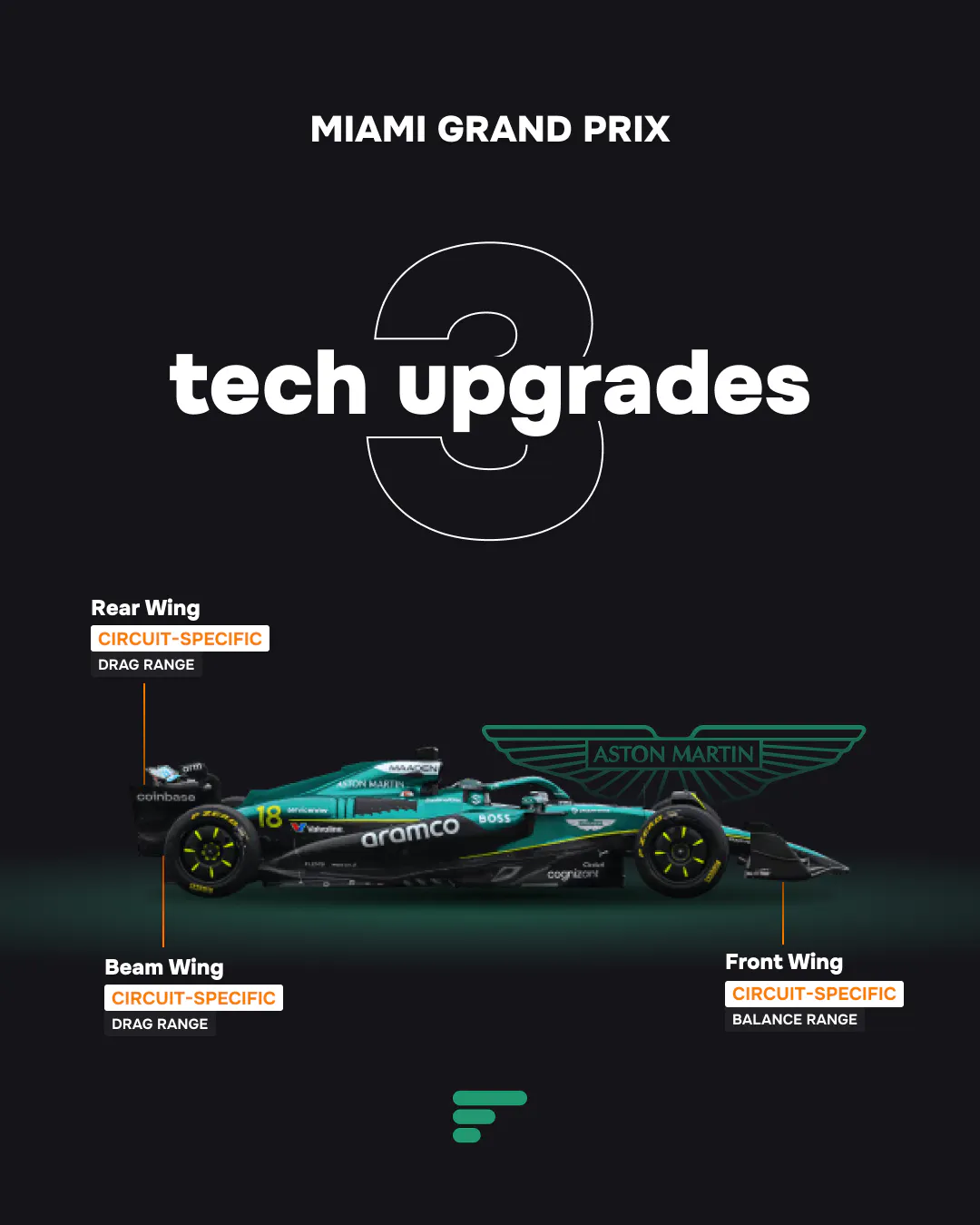
Aston Martin has also focused on circuit adaptation with tweaks to their front wing, rear wing, and beam wing elements.
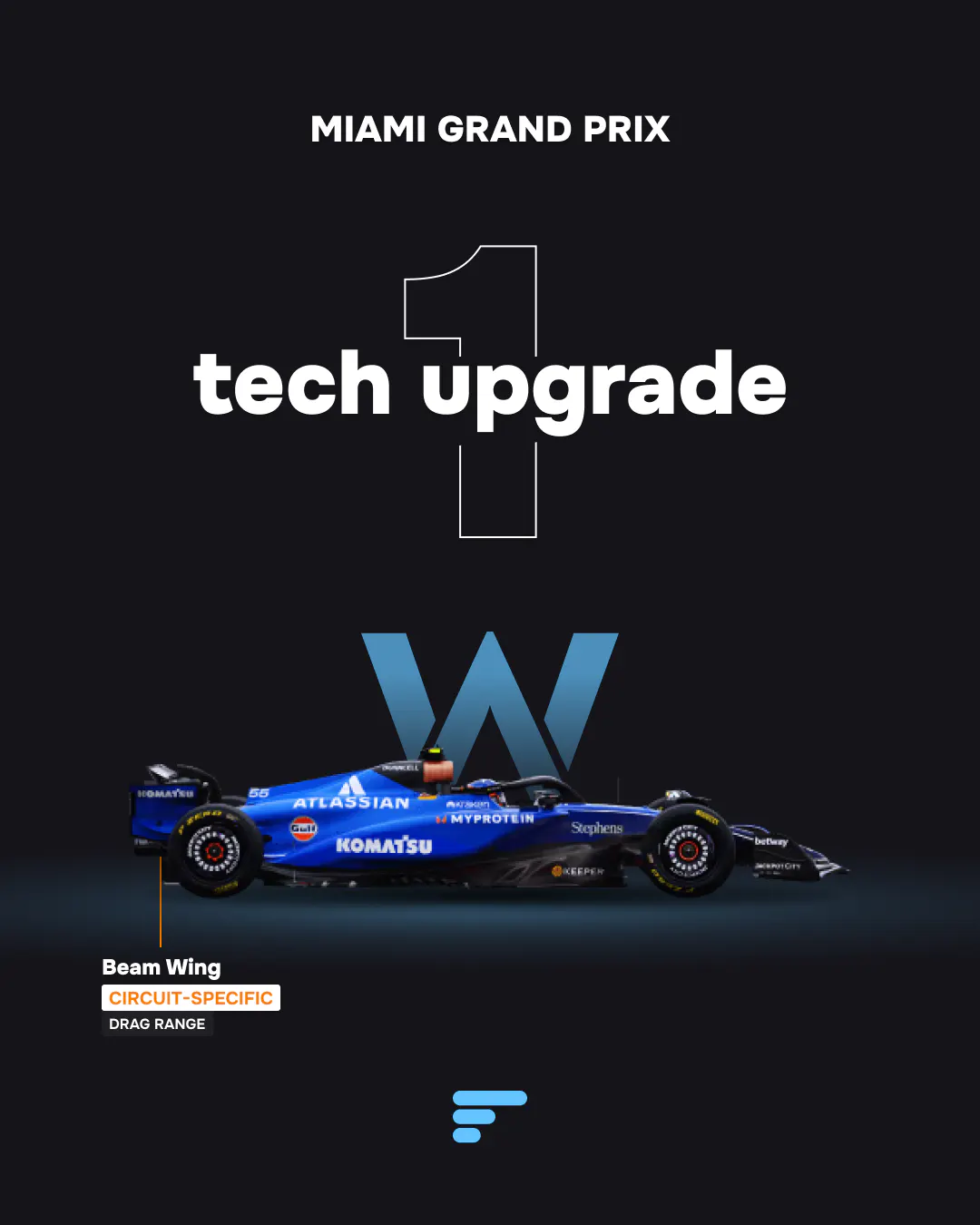
Williams arrives with minor modifications to their beam wing, offering a lower downforce and drag configuration.
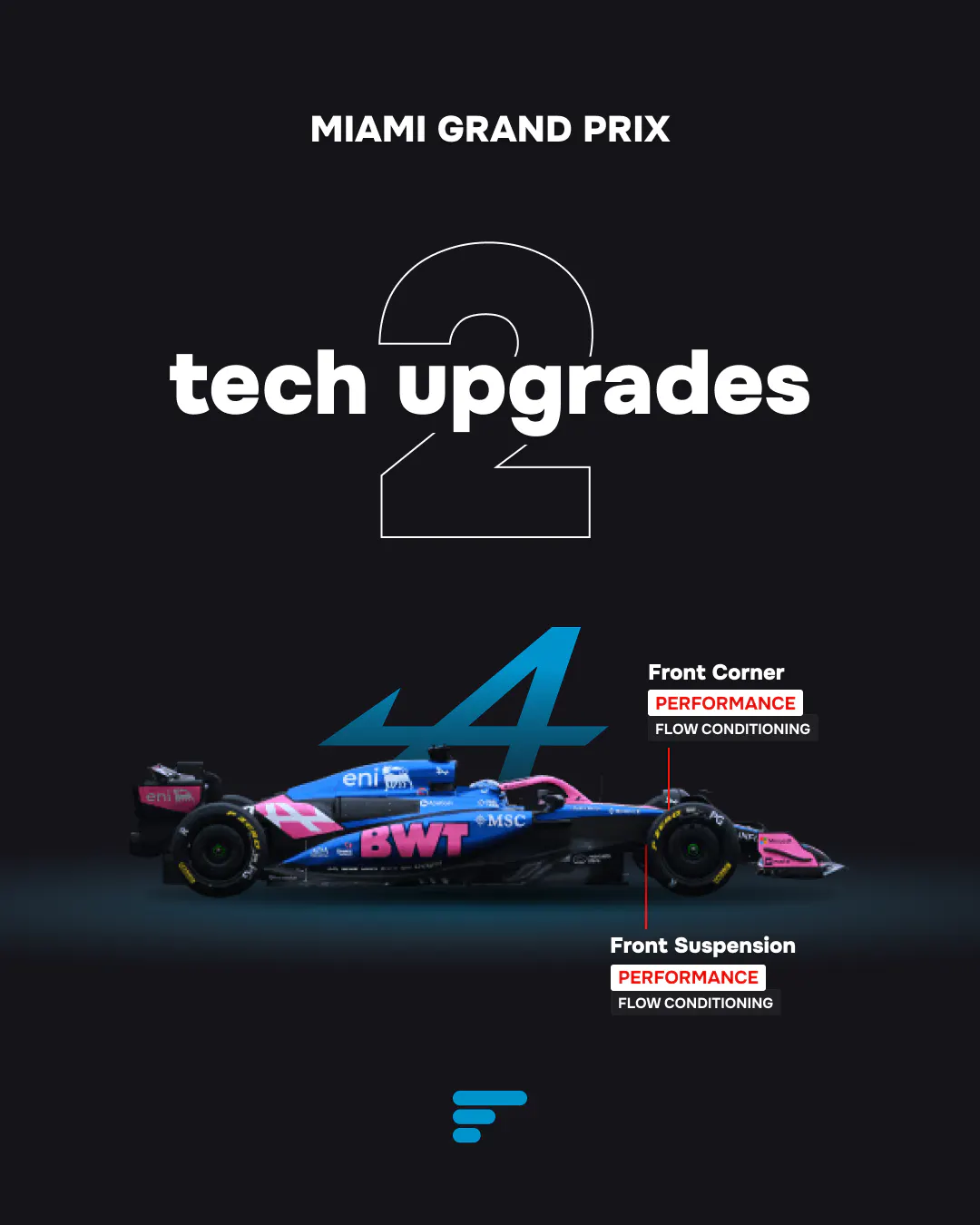
Alpine has implemented updates to their front brake duct and front suspension, designed to improve both airflow management and cooling efficiency.
Sauber has similarly updated its front suspension with the aim of enhancing airflow around the car.

These targeted changes reflect teams' efforts to fine-tune their packages for the unique demands of the Miami International Autodrome.