 Formula 1 Dashboard


The high-altitude setting of the Mexico City Grand Prix presents unique cooling and aerodynamic challenges, prompting several Formula 1 teams to introduce targeted upgrades. With less dense air at over 7,200 feet above sea level, effective cooling for power units and brakes is paramount, leading to a focus on enlarged air intakes and bodywork exits.
Red Bull Racing
Red Bull Racing has introduced a comprehensive package of upgrades aimed at maintaining Max Verstappen's championship momentum. Since their successful floor introduction at Monza, which saw Verstappen close a substantial gap to championship leader Oscar Piastri, the team has implemented further developments.
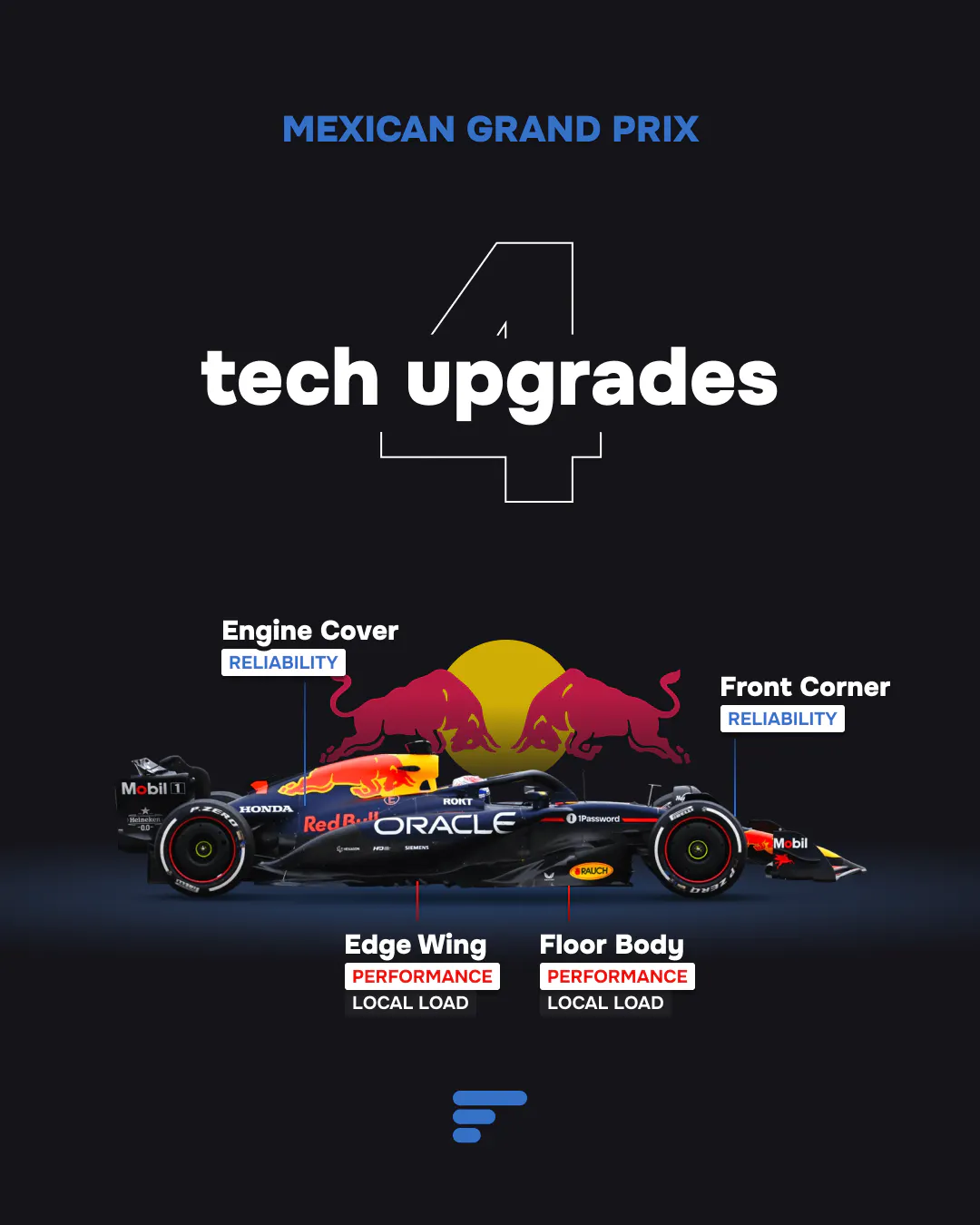
The most significant update is a new floor body upgrade. This revision includes a new upper surface section rearward of the outer floor fence and an adjustment to the sidepod split line to accommodate simultaneous sidepod bodywork changes. Red Bull states these changes offer a cooling benefit alongside a small increase in aerodynamic load.
Accompanying the floor update are redistributed top body exit areas to bolster cooling and reliability, which is critical at this venue. Additionally, the team has subtly revised the floor edge—a change described as extracting "a little more load while maintaining flow stability"—and introduced enlarged brake ducts for enhanced cooling performance.
Scuderia Ferrari
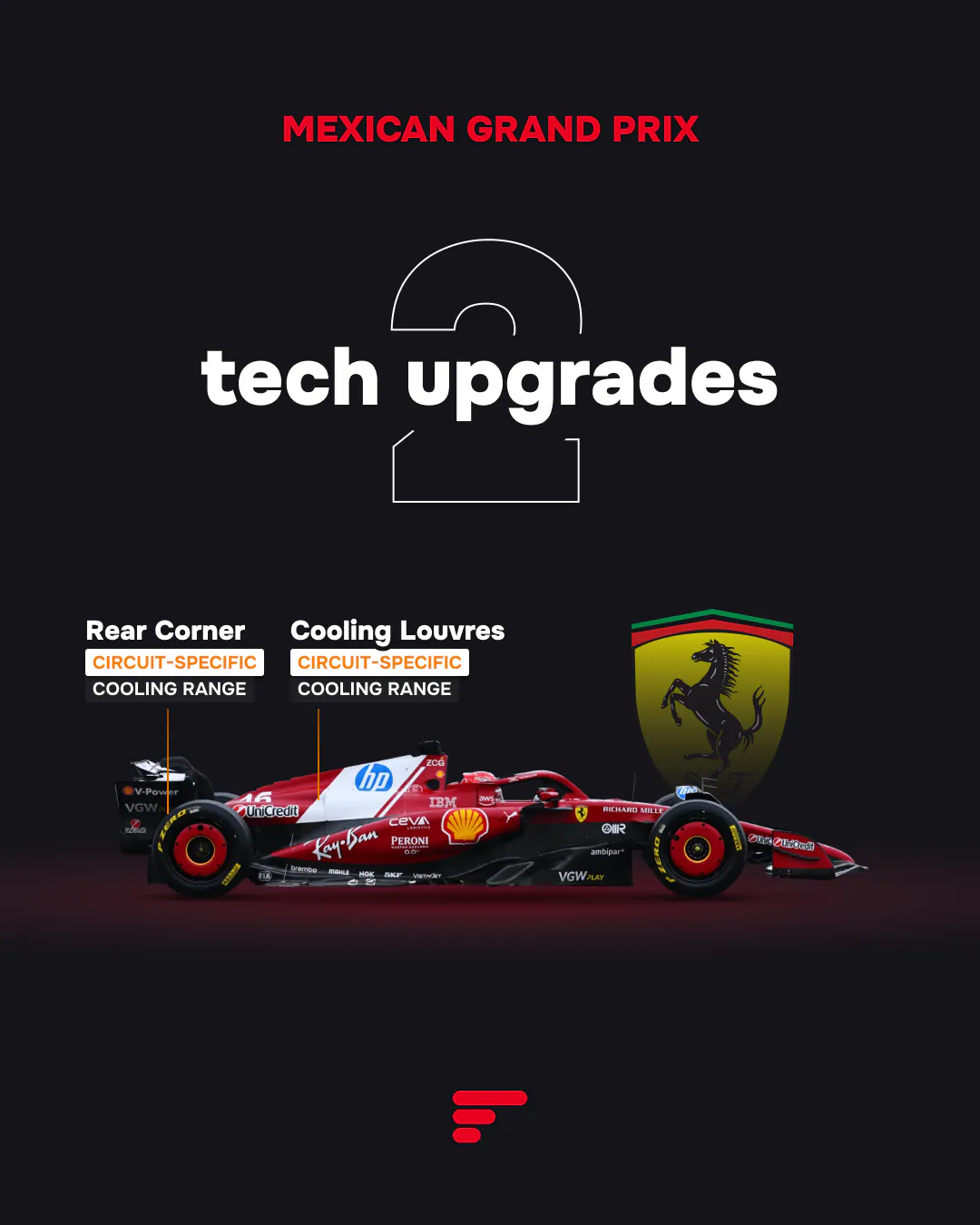
Ferrari has focused its development exclusively on reliability to cope with the strenuous cooling demands of the Autódromo Hermanos Rodríguez. The Scuderia has introduced new bodywork exit louvers and enlarged rear brake ducts. Ferrari acknowledges that these cooling-focused changes inherently come at the expense of a slight decrease in overall car efficiency.
Alpine, Williams, Racing Bulls, and Sauber
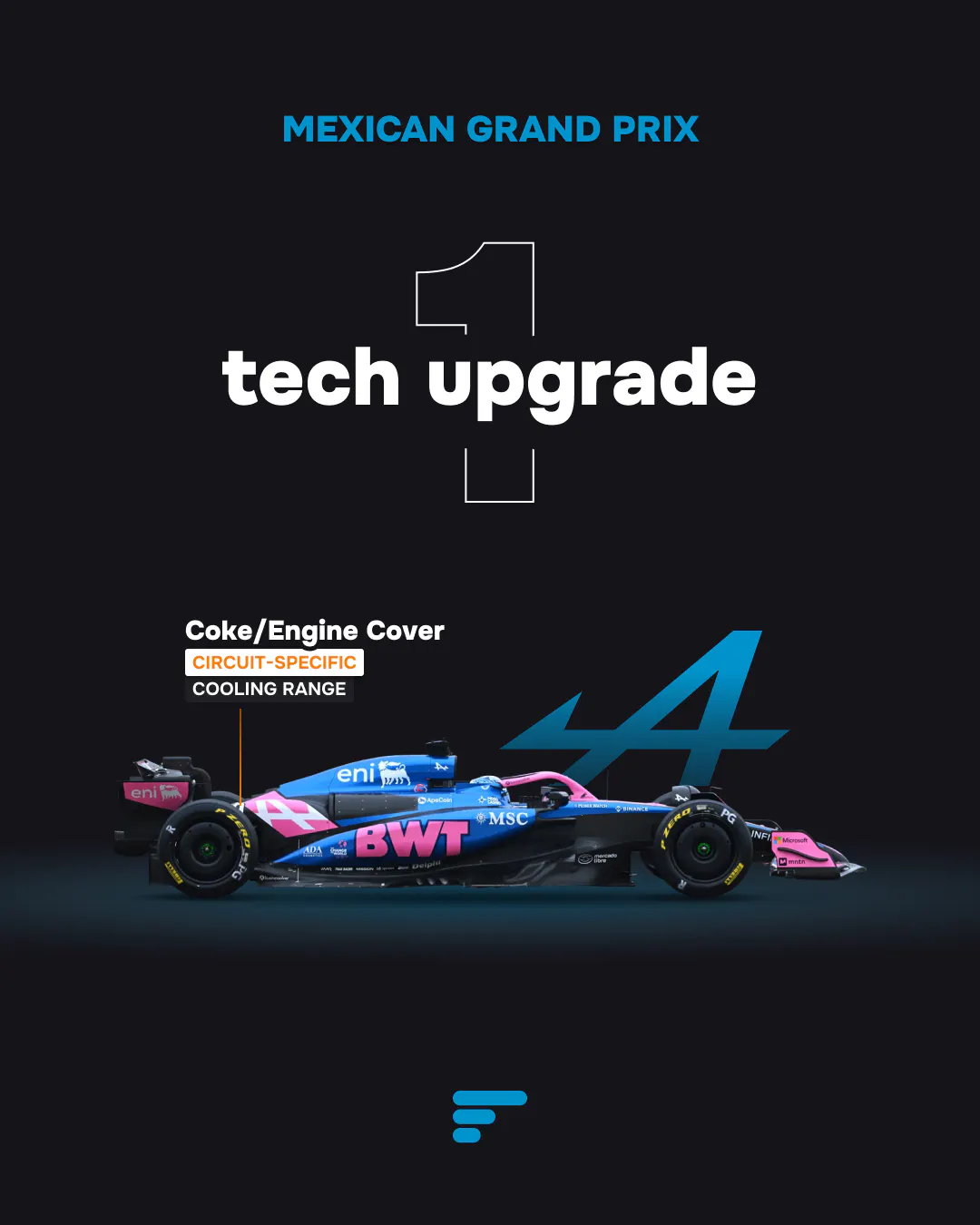
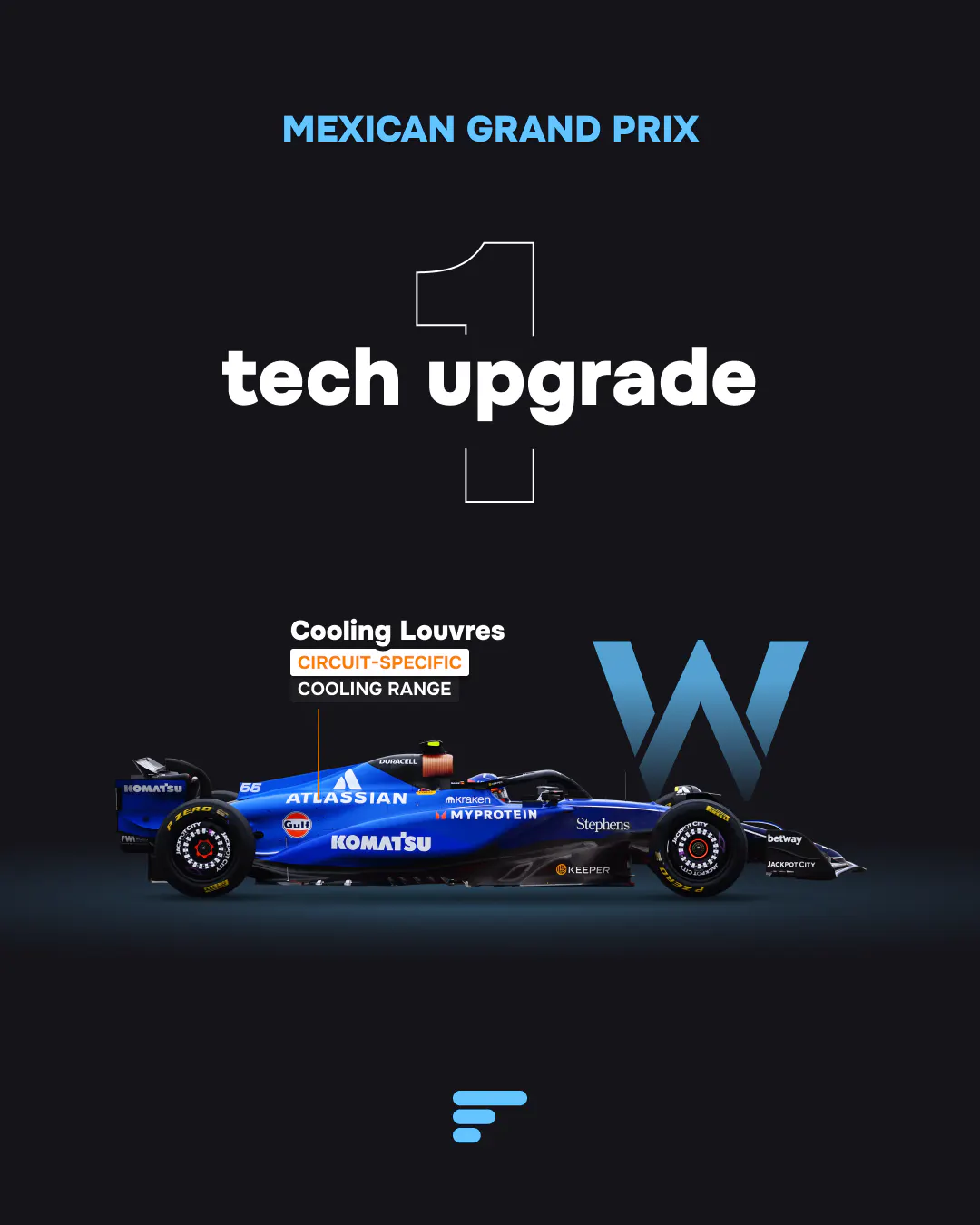
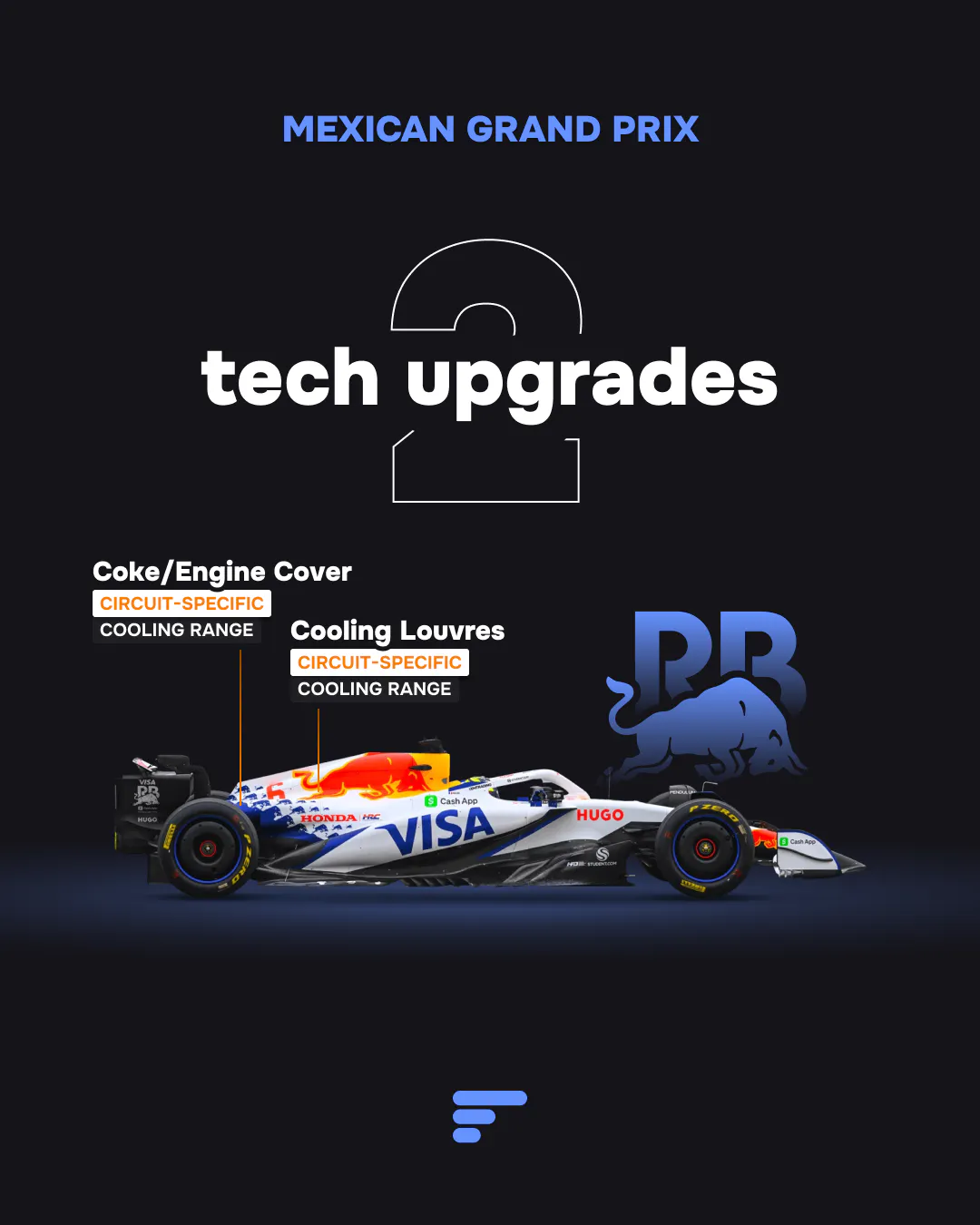
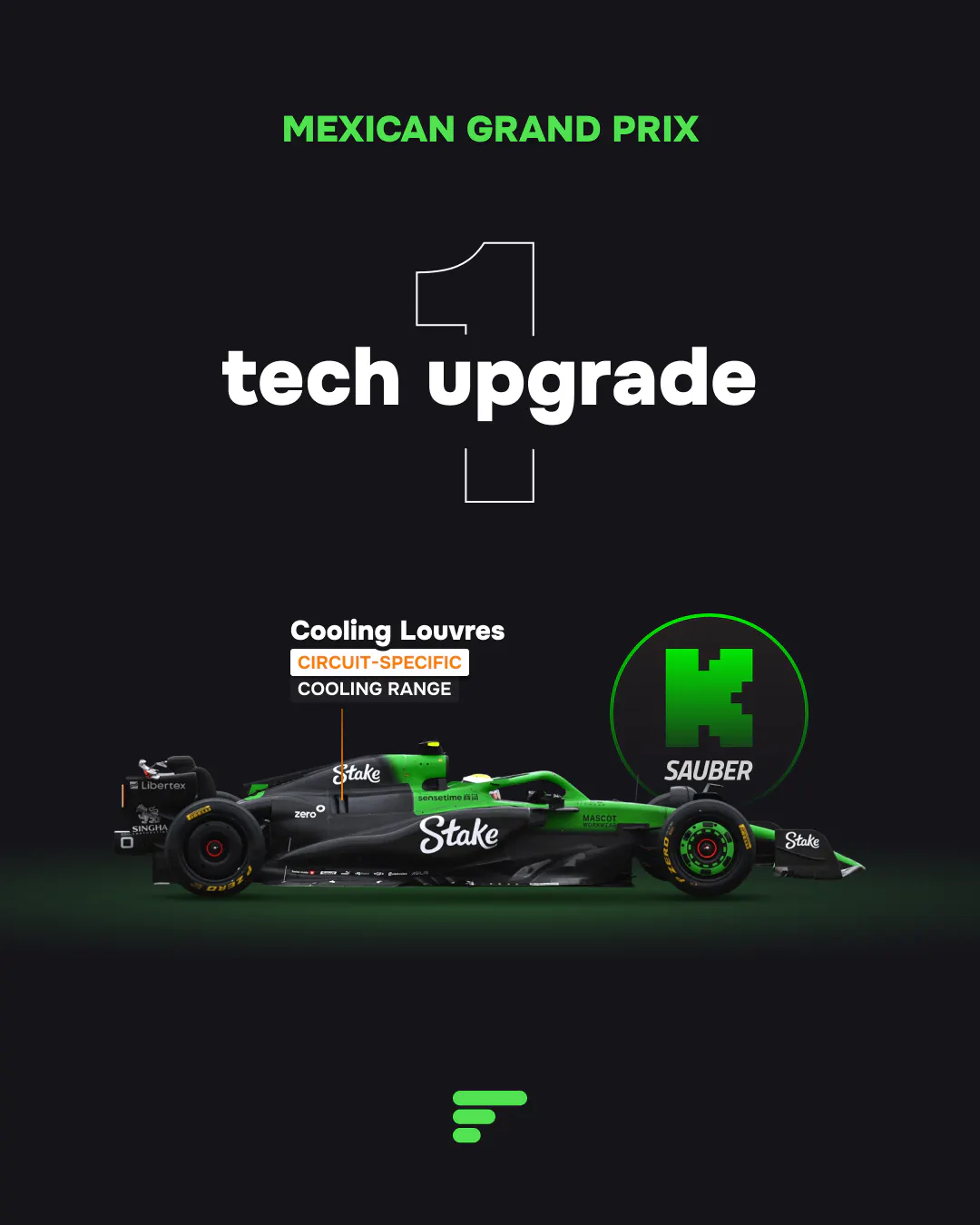
A group of teams—Alpine, Williams, Racing Bulls, and Kick Sauber—have all prioritized cooling solutions for the Mexican Grand Prix. Each team has submitted updates consisting of additional louvers or revised bodywork exits. These changes are a direct response to the altitude's effect on air density, ensuring crucial components like the power unit and brakes remain within safe operating temperatures.
McLaren, Mercedes, Aston Martin, and Haas
McLaren, Mercedes-AMG PETRONAS, Aston Martin, and Haas F1 Team have chosen not to introduce any new components for this race weekend, opting instead to optimize their existing packages for the specific conditions.